Settle the body, restore energy and clear the mind through Qigong.
A gentle practice of breath, movement, and stillness.
Finding it hard to slow down?
Modern life can leave you feeling constantly switched on. Tense, restless, and running on empty.
Sitting down to eat and already thinking about the next thing.
Lying awake with the to-do list running on a loop.
Jaw tight by lunchtime and shoulders near your ears by three.
We try to plan our way out of it, rearrange our schedules, push through the tiredness. We fill our days with work and activities, hoping rest can wait until the weekend. Yet even then, calm feels like a neighbour you rarely see, and relaxation a fleeting moment.
I once felt that too. Then I found a practice that brings you into a deep state of presence, without having to sit still and cross your legs for 30 minutes.
Qigong invites stillness through breath and movement, bringing freedom to the mind and body.
How Qigong Can Support You
Qigong brings movement, breath and awareness together in ways that may support:
- Calm & stress regulation
- Attention & mental clarity
- Energy & vitality
- Mobility & physical wellbeing
At different times, I’ve experienced each of these benefits and continue to return to Qigong as a practice. After 12 years of practising, I now teach Qigong to help people reconnect with their body, settle mental noise and bring awareness into everyday life.
I’m interested in the balance between physical activity and calm meditative states, a space where Qigong naturally sits. Over time, practice can carry into the way you breathe, move, work, rest and respond to what’s happening around you.
Through Wu Wei Creations, I share simple movement practices, courses and guidance centred around calm, clarity and a steadier sense of energy.
Start Your Free 5-Day Reset
Over five days, you’ll explore grounding, flow, and connection through the Vital Flow Method™, a framework I developed that sits underneath the practice. It builds a steady foundation, develops ease of movement, and brings awareness to your energy.
Each day of the reset has a session of around 30 to 40 minutes. Doing them on consecutive days helps build momentum, though you can spread them out if that suits you better.
Beyond the sessions, simply bring a willingness to slow down for a few minutes each day, in small moments like:
- Letting your shoulders drop while the kettle boils.
- Taking one slow breath before answering the message.
- Feeling your feet on the floor at the sink.
All you need is a chair or a little space. No experience needed.
Try this now
Breathe in gently. Breathe out a little longer, for five to seven seconds.
Let your shoulders, jaw and neck soften.
Feel the weight through your feet.
Repeat for six to eight breaths. If you feel light-headed, return to your normal breathing.
Ready to start your practice?
Explore Qigong practices and support for calm, energy and clarity.
Qigong can be practised almost anywhere. Simple movements that bring attention inward can deepen our connection with ourselves and the world around us.
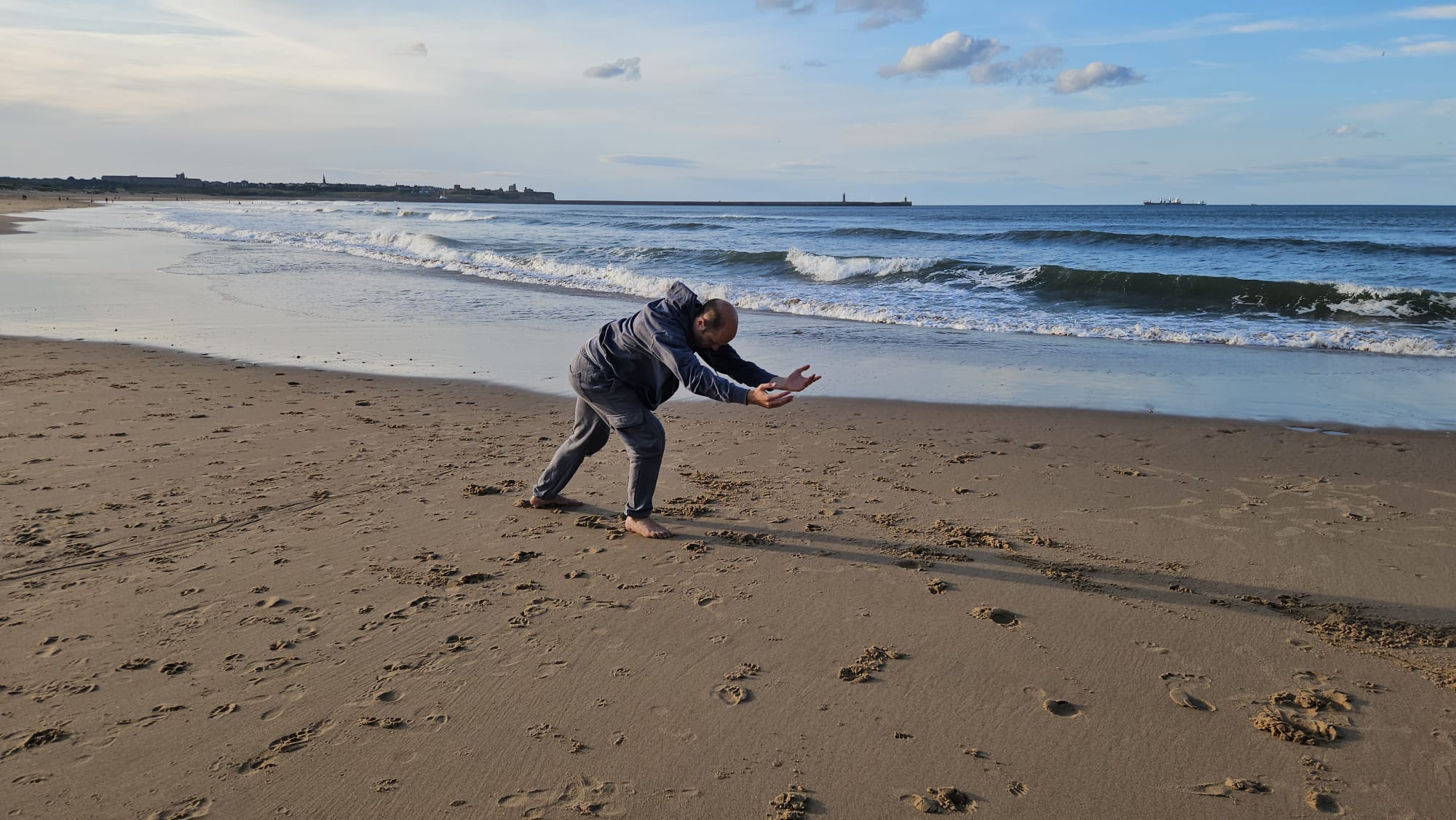
Here, I’m practising the Eight Brocades on the water, though balance was definitely my number one priority at that point!
Resources

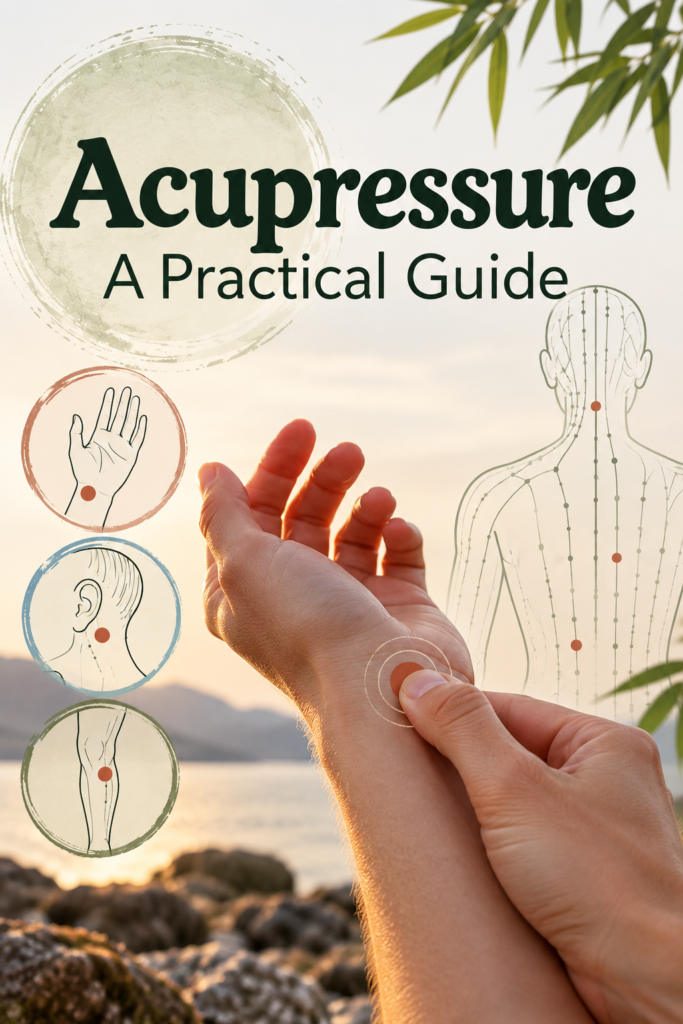

Calmness Quest: Find Your Centre
A short self-reflection quiz for calm, energy and everyday balance
Explore how stress tends to show up in your daily rhythm, along with areas that may support a steadier reset.
Discover your current stress pattern and receive personalised suggestions based on your responses.
Available Courses
Explore one of three Animal Qigong courses, each offering a distinct practice that supports different qualities of energy, helping you explore movement, awareness, and expression in a natural way.


Not Sure Where to Start?
Step 1: Book a Free Consultation
Choose a date and time for a 15-minute Zoom session.
Step 2: Have a Quick Chat
We’ll discuss your goals, challenges, and what you’d like to change.
Step 3: Explore Your Next Step
Leave with a clearer direction based on your goals and needs.
Frequently Asked Questions
How often to practise Qigong?
It depends on your available time and how demanding the practice feels. A few sessions each week can help build consistency, while daily practice can deepen familiarity if it fits your routine. Find a rhythm that feels manageable for you.
How long to practise Qigong?
Short practices can fit comfortably into a daily rhythm, while longer practices may require greater endurance, concentration, time and recovery. There’s no fixed length, so choose a duration that fits the practice and your circumstances.
Who can practise Qigong?
Qigong can be adapted for different ages and abilities, including seated practice. If you have a medical condition, you’re pregnant, or you feel unsure about starting, consider checking with a healthcare professional first.
What’s the difference between Qigong and Tai Chi?
Qigong includes a wide range of breathing, movement and meditation practices, often using simple movements repeated slowly. Tai Chi developed as a martial art and commonly links movements into longer sequences. The two share many principles.
Do I need a teacher to practise Qigong?
You can learn many Qigong practices independently through videos, courses and other resources. A teacher can offer feedback, answer questions and help you understand details that may be harder to notice on your own. Guidance can be useful as your practice develops, without taking away your own ability to learn and respond to what you feel.
Looking for Deeper Support?
The 12-Week Vital Reset guides you through the Vital Flow Method™ to cultivate calm, balance and steady energy.
Practices can be adapted around your needs, with guidance as your practice develops.
Explore the Vital ResetRead some blogs to learn more
about principles and philosophy
Reflections on Daoism, Qigong, and the principles that support wellbeing and practice.
-

What Stress Wants Us to Know
We often treat stress like something we need to clear. But this can sometimes add…
-
Beyond the Practice: Bringing Qigong Into Everyday Life.
We can spend a lot of time developing Qigong through movement, breath, coordination and awareness.…
-
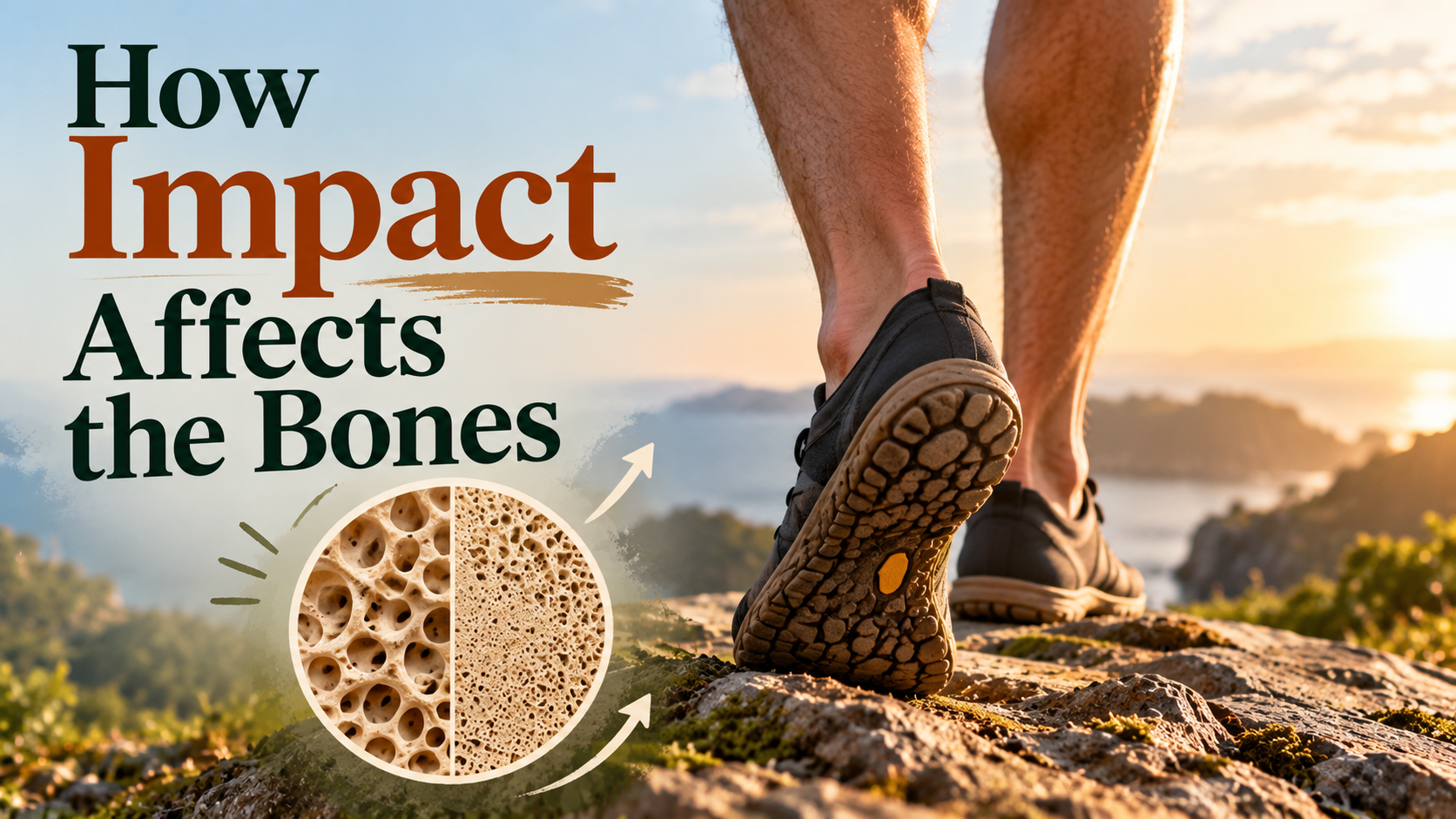
How the Body Responds to Impact
Jumping seems like a fairly simple form of movement. You leave the ground, land, and…