Holistic Healing with Acupressure Points in TCM
- WuQi

- Oct 31, 2024
- 3 min read
Traditional Chinese Medicine (TCM) promotes holistic health by addressing physical and emotional well-being. This blog focuses on specific pressure points used to treat various conditions.
We’ll explore essential techniques categorized into exterior, interior, and emotional release, along with their health applications.
Exterior Points:
TW5 (Waiguan):
Used for conditions associated with the triple warmer and effective for managing immune function and exterior pathogens, including headaches and colds.

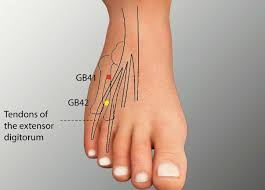
GB41 (Zulinqi):
Often utilized for issues related to the gallbladder, including migraines, and can aid in emotional release, particularly tied to anger or frustration.
Interior Points:
TW3 (Zhongzhu):
Beneficial for internal conditions, especially those affecting the ears and throat.

TB-4 and P-6:
for tinnitus, deafness, swelling of the throat, dry throat, swelling of the eyes, ear ache, sweating, pain between scapulae, elbow pain, constipation, incontinence, retention.


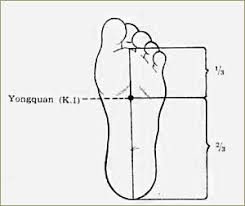
K-1 and BL-58:
for dark complexion, absence of thirst, a desire to lie down, decreased vision, a feeling of heat, backache, weakness of lower limbs, shortness of breath, timidity.

GB40 (Qiuxu):
Addresses internal gallbladder issues and can assist with digestion and emotional disturbances.

Kidney 3 (Taixi):
Nourishes kidney Yin and supports overall vitality; often used for fatigue and enhancing energy levels.

Key Points for Emotional Release:
Liver 2 (Xingjian) and Liver 3 (Taichong):
Liver 2: Helps promote emotional release related to feelings such as anger and frustration.
Liver 3: Known to soothe liver Qi stagnation, aiding in emotional balance and stress management.

General Tonic Points:
SP6 (Sanyinjiao):
Tonifies the spleen, harmonizing the entire system; commonly used for digestive issues and hormonal health.

ST36 (Zusanli):
A major point for tonifying Qi and blood, boosting overall vitality and energy, as well as digestive health.
CV12 (Zhongwan):
Strengthens and tonifies the spleen and stomach, helpful for digestive disorders.

Points for Specific Concerns:
GB20 (Fengchi):
Effective for headaches, neck tension, and reducing emotional stress.

TW17 (Yifeng):
Addresses ear-related issues, including tinnitus, and helps reduce stress.

GB2 (Tinggong):
Directly related to ear health, helping manage pain and enhance hearing.

GB34 (Yanglingquan):
Promotes smooth Qi flow and supports liver and gallbladder functions; also reduces pain.

DU20 (Baihui):
A key point for lifting energy, alleviating stress, and enhancing mental clarity.

Application of Points in Acupressure
Techniques:
Apply gentle, firm pressure for 1-3 minutes on each point, using either tonifying (to invigorate) or sedating (to calm) techniques based on your intention.
Tonifying vs. Sedating Techniques
Tonifying Techniques:
Pressure: Gentle, firm, steady.
Duration: 1-3 minutes or longer.
Direction: Upward, outward, or clockwise movements to invigorate energy.
Indications: Fatigue, low energy, weak constitution, immune support.
Sedating Techniques:
Pressure: Steady, firm; may be deeper but should remain comfortable.
Duration: 1-3 minutes; reduce intensity towards the end.
Direction: Downward, inward, or counter-clockwise movements to calm energy.
Indications: Anxiety, stress, overactivity, tension-related pain.
Steps for Application
Locate: Identify the target acupoint based on your goal.
Initial Contact: Start with light pressure.
Adjust Pressure: Apply tonifying or sedating techniques as appropriate.
Monitor: Be aware of your physical and emotional sensations during the process.
Awareness
Self-Check: Assess your feelings before, during, and after treatment.
Record Sensations: Document any changes in energy, mood, or symptoms.
Feedback Loop: Modify techniques based on your body's reactions for optimal results.
Guidance
For personalized instruction and to deepen your understanding, consider contacting an experienced practitioner of Traditional Chinese Medicine (TCM) for guidance.


Comments